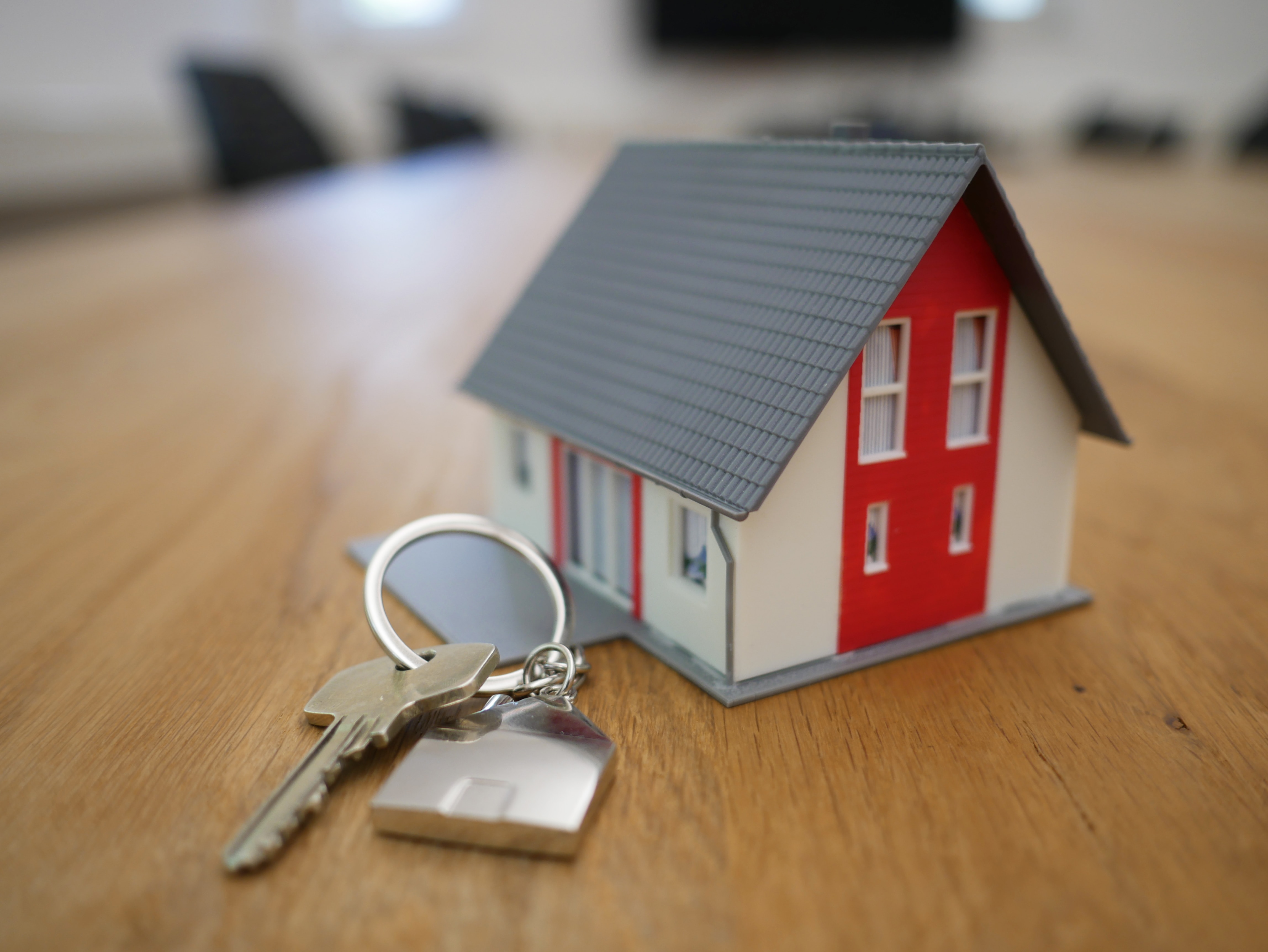
Protecting your home from potential risks is crucial for homeowners. Whether it’s natural disasters, burglaries, or accidents, having a risk management strategy in place can help minimize the impact of these events. In this article, we will explore some effective risk management strategies that homeowners can use to protect their homes.
Understanding Risk Management
Risk management is a process of identifying, assessing, and controlling risks that could affect your home. It involves making informed decisions to minimize the likelihood and impact of potential risks. A risk management strategy is a plan of action that outlines the steps you will take to manage risks.
To develop an effective risk management strategy, you need to involve all stakeholders, including family members, insurance agents, and emergency responders. By collaborating with them, you can identify potential risks and prioritize them based on their likelihood and impact.
Risk acceptance is an essential component of risk management. It involves deciding which risks you are willing to accept and which ones you need to mitigate. For example, you might accept the risk of a minor flood but decide to install flood barriers to reduce the impact of a major flood.
To prioritize risks, you can use a risk matrix that assesses the likelihood and impact of each risk. This matrix can help you decide which risks to address first and which ones to monitor.
In summary, a risk management strategy is a critical component of protecting your home. By involving stakeholders, assessing risks, and prioritizing them, you can make informed decisions to minimize the likelihood and impact of potential risks.
Types of Risks
When it comes to protecting your home, understanding the types of risks you may face is essential. These risks can be categorized into three main types: operational risks, financial risks, and external risks.
Operational Risks
Operational risks refer to risks that arise from the day-to-day operations of your home. These risks can include accidents, equipment failure, and human error. For example, leaving a stove burner on or forgetting to lock the front door can lead to potential risks.
To mitigate operational risks, it is important to establish and follow safety protocols in your home. This can include regularly checking smoke detectors and carbon monoxide detectors, maintaining your home’s electrical and plumbing systems, and ensuring that all appliances are in good working order.
Financial Risks
Financial risks refer to risks that can impact your home’s finances. These risks can include unexpected expenses, such as repairs or replacements, and changes in property values. For example, if your home is located in an area that is prone to flooding, you may face higher insurance costs or difficulty selling your home.
To mitigate financial risks, it is important to establish a budget and stick to it. This can include setting aside funds for unexpected expenses and regularly reviewing your insurance policies to ensure that you have adequate coverage.
External Risks
External risks refer to risks that are beyond your control and arise from external factors. These risks can include natural disasters, crime, and changes in the economy. For example, if your home is located in an area that is prone to hurricanes, you may face potential damage from high winds and flooding.
To mitigate external risks, it is important to be prepared. This can include having an emergency kit on hand, installing security systems, and regularly reviewing your insurance policies to ensure that you have adequate coverage.
Overall, understanding the types of risks that can impact your home is essential to developing a risk management strategy. By being prepared for unpredictable events and understanding the consequences of potential risks, you can protect your home and your family.
Risk Management Strategies
As a homeowner, it is important to have a risk management strategy in place to protect your home. There are several strategies you can use to manage risk, including avoidance, retention, sharing, and transferring.
Avoidance
One strategy for managing risk is to avoid it altogether. This means taking steps to prevent potential risks from occurring. For example, you can avoid the risk of a fire by not using candles or leaving the stove on unattended. You can also avoid the risk of a break-in by installing a security system or keeping valuables out of sight.
Retention
Another strategy for managing risk is to retain it. This means accepting the risk and being prepared to handle any potential losses. For example, you can retain the risk of a flood by purchasing flood insurance. You can also retain the risk of a break-in by keeping a reserve of emergency funds.
Sharing
Sharing risk is another strategy for managing risk. This means sharing the risk with others who are also affected by it. For example, you can share the risk of a natural disaster with your neighbors by forming a community emergency response team. You can also share the risk of a break-in by forming a neighborhood watch group.
Transferring
Finally, transferring risk is a strategy for managing risk that involves transferring the risk to another entity. For example, you can transfer the risk of a fire to an insurance company by purchasing fire insurance. You can also transfer the risk of a break-in to a security company by hiring them to monitor your home.
Overall, engaging in risk management strategies can help protect your home and give you peace of mind. By following these strategies, you can defend against potential risks and be prepared to handle any losses that may occur.
Implementing Home Security Measures
When it comes to protecting your home, implementing security measures is a crucial step. Here are two effective strategies you can use:
Security Systems
A security system is an excellent way to protect your home. These systems typically include sensors that detect motion or entry, cameras that record activity, and alarms that alert you and the authorities in case of a break-in. Many security systems also come with smartphone apps that allow you to monitor your home remotely.
When choosing a security system, consider the following factors:
- Features: Look for systems that offer a variety of features, such as motion detection, night vision, and two-way audio.
- Cost: Security systems can be expensive, so consider your budget and look for systems that fit within it.
- Installation: Some systems require professional installation, while others are designed for DIY installation.
- Monitoring: Decide whether you want professional monitoring or self-monitoring.
Front Porch Cameras
Front porch cameras are another effective way to protect your home. These cameras are typically installed above your front door and can record activity on your porch and at your front door. Some cameras also come with two-way audio, allowing you to communicate with anyone at your door.
When choosing a front porch camera, consider the following factors:
- Quality: Look for cameras with high-resolution video and clear audio.
- Storage: Determine how the camera stores footage, whether it’s in the cloud or on a local device.
- Cost: Front porch cameras can range in price, so consider your budget and look for cameras that fit within it.
- Integration: Some cameras can integrate with other smart home devices, such as door locks and lights.
By implementing security systems and front porch cameras, you can protect your home from criminals and provide peace of mind for you and your family.
Insurance as a Risk Management Strategy
Understanding Insurance Policies
Insurance is a risk management strategy that can help protect your home from financial loss due to unexpected events like theft, fire, or natural disasters. An insurance policy is a contract between you and an insurance company that outlines the terms of your coverage. It’s important to understand the different types of insurance policies available and what they cover.
Homeowners insurance is the most common type of insurance policy for homeowners. It typically covers damage to your home and personal property caused by covered perils, such as fire, theft, and weather-related events. It may also provide liability coverage if someone is injured on your property.
Deciding on Premiums and Deductibles
When you purchase an insurance policy, you’ll need to decide on the amount of coverage you want and how much you’re willing to pay in premiums and deductibles. The premium is the amount you pay for your insurance coverage, usually on a monthly or annual basis. The deductible is the amount you’ll need to pay out of pocket before your insurance coverage kicks in.
Choosing a higher deductible can lower your premiums, but it also means you’ll need to pay more out of pocket if you have a claim. On the other hand, choosing a lower deductible will result in higher premiums but less out-of-pocket expenses if you have a claim.
It’s important to review your insurance policy regularly to make sure you have adequate coverage and to update your premiums and deductibles as needed. You may also want to shop around and compare insurance quotes from different insurers to make sure you’re getting the best coverage at the best price.
In conclusion, insurance is an important risk management strategy that can help protect your home from financial loss due to unexpected events. Understanding your insurance policy, deciding on premiums and deductibles, and regularly reviewing your coverage can help ensure you have the protection you need.
Risk Assessment, Response and Monitoring
To protect your home from potential risks, it is important to have a risk management strategy in place. This strategy should include risk assessment, response, and monitoring.
Risk Assessment
The first step in developing a risk management strategy is to conduct a thorough risk assessment. This involves identifying potential risks and evaluating their likelihood and potential impact. Some common risks that homeowners face include theft, fire, and natural disasters.
Once risks have been identified, it is important to prioritize them based on their likelihood and potential impact. This will help you to focus your resources on the risks that are most likely to occur and have the greatest potential impact.
Risk Response
Once risks have been identified and prioritized, you can develop a risk response plan. This plan should outline the steps you will take to mitigate each risk. For example, if the risk of theft is high, you may want to invest in a security system or install better locks on your doors and windows.
It is important to remember that risk response plans should be flexible and adaptable. As new risks emerge or existing risks change, your response plan should be updated accordingly.
Risk Monitoring
Finally, it is important to monitor risks on an ongoing basis. This involves regularly reviewing your risk assessment and response plans to ensure that they remain relevant and effective. It also involves monitoring external factors that could impact your risks, such as changes in weather patterns or crime rates in your area.
By regularly monitoring risks, you can identify potential issues before they become major problems. This allows you to take proactive steps to mitigate risks and protect your home.
The Benefits of Risk Management
By identifying, assessing, and managing risks, you can minimize the impact of unexpected events and safeguard your property and valuables. Here are some of the benefits of implementing a risk management strategy for your home:
Protecting your valuables
- A risk management strategy helps you identify your most valuable possessions and take steps to protect them. By installing security systems, fire alarms, and other protective measures, you can reduce the risk of theft, damage, or loss of your belongings.
Reducing financial losses
- A risk management strategy can help you avoid financial losses by identifying potential risks and taking steps to mitigate them. By investing in preventive measures, such as regular maintenance and repairs, you can reduce the likelihood of costly repairs or replacements.
Increasing return on investment
- A risk management strategy can help you increase the return on investment of your home by minimizing the impact of unexpected events. By maintaining your property and taking steps to reduce risks, you can increase the value of your home and protect your investment.
In summary, a risk management strategy can help you protect your home and valuables, reduce financial losses, and increase return on investment. By taking a proactive approach to risk management, you can minimize the impact of unexpected events and enjoy greater peace of mind.
Leave a Reply